

Table of Contents
- Are Gazebos Only Round? The Answer
- Common Gazebo Shapes and Configurations
- How Shape Affects Layout and Usable Floor Area
- Gazebo vs Pergola Differences and Other Outdoor Structures
- How to Measure for a Gazebo
- Materials and Durability Across Gazebo Shapes
- Choosing the Right Shape for Your Outdoor Space
- Frequently Asked Questions
Last Updated: October 7, 2026
Are Gazebos Only Round? The Answer
Are gazebos only round? No, gazebos come in many shapes beyond the classic round design. At Gazebo Parts Direct, we help homeowners understand that are gazebos only round is a common misconception, the reality is far more diverse. Round gazebos are popular and iconic, but rectangular, square, hexagonal, octagonal, and even polygon-shaped gazebos are equally common in modern backyards. Your choice of shape dramatically affects how your outdoor space functions, how much seating you can fit, and the overall aesthetic of your garden.
The shape you select matters more than most people realize. A rectangular gazebo maximizes usable floor space along a patio edge, while a round gazebo creates an intimate gathering point. Hexagonal and octagonal designs split the difference, offering more floor area than round structures while maintaining a sense of openness. Understanding these differences helps you choose the right outdoor shelter for your specific needs and landscape.

Common Gazebo Shapes and Configurations
Round Gazebos
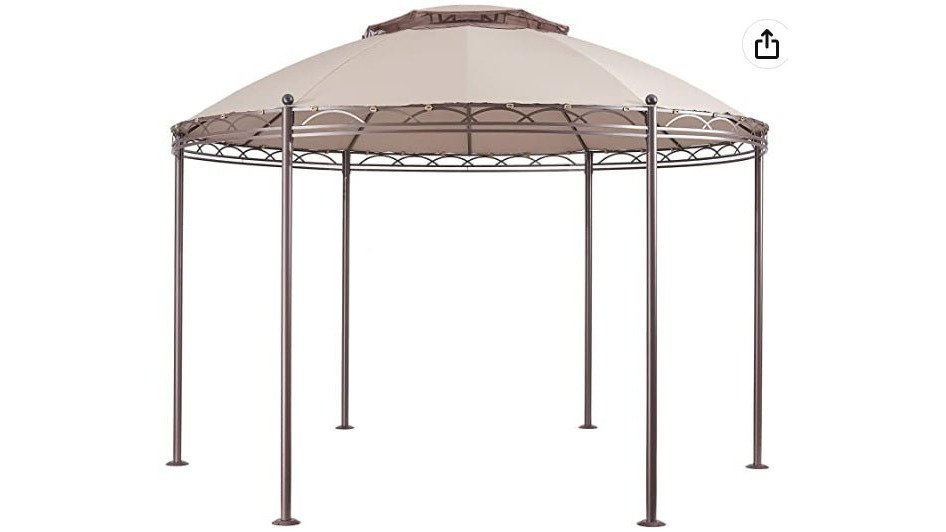
Round gazebos remain the most recognizable outdoor shelter style, and for good reason. These structures create a welcoming, intimate atmosphere where people naturally gravitate toward the center. A round gazebo provides 360-degree views of your surroundings, making them ideal for relaxation and social gatherings where you want to see and be seen from all angles.
The circular design offers excellent wind performance because the rounded shape allows air to flow smoothly around the structure rather than catching flat surfaces. This aerodynamic advantage makes round gazebos particularly stable in moderate winds. However, the round shape does mean you lose some usable floor space compared to rectangular alternatives of similar diameter, the corners of a square footprint would give you more seating area.
Round gazebos work beautifully in traditional garden settings and contemporary spaces alike. They're available in various sizes, typically ranging from 8 to 16 feet in diameter. For homeowners with older models from major retailers, finding replacement canopies has historically been challenging, but specialized replacement parts suppliers now stock compatible options like the RipLock 350 canopy designed for round park gazebos.

Rectangular Gazebos vs Square Gazebos
Rectangular gazebos maximize floor space and integrate seamlessly along patios and deck edges. If you're planning to position your outdoor shelter against an existing structure or want to create a defined entertaining zone, rectangular designs offer superior functionality. They're particularly popular in modern landscape designs where clean lines and organized layouts dominate.
Square gazebos occupy a middle ground between round and rectangular options. They provide more usable floor area than round structures while maintaining a more compact footprint than full rectangles. Square gazebos work well in smaller yards where space is limited but you still want a substantial outdoor room.
The trade-off with rectangular and square designs is reduced visual interest from certain angles, you don't get the 360-degree appeal of a round structure. Wind can also catch the flat sides more directly, though modern engineering has largely mitigated this concern. Many rectangular gazebos feature reinforced frames and quality canopy materials designed to withstand moderate weather conditions.
Hexagonal and Octagonal Gazebos
Hexagonal and octagonal gazebos represent a sophisticated compromise between round and rectangular designs. These polygon shapes provide significantly more usable floor area than round structures while maintaining visual interest from multiple angles. An octagonal gazebo offers eight distinct sides, creating natural sightlines and a more dynamic appearance than four-sided rectangles.
These shapes are particularly popular in upscale residential landscapes and garden settings where architectural detail matters. Hexagonal and octagonal gazebos often feature more elaborate roof designs and decorative elements. The geometric precision of these shapes appeals to homeowners who appreciate design sophistication.
Replacement canopies for hexagonal and octagonal gazebos are available through specialty suppliers. For example, hexagon gazebo replacement canopies designed with RipLock 350 fabric offer water resistance and UV protection. The Hexagon 14-foot Gazebo Replacement Canopy fits specific OEM models and provides durable coverage for long-term outdoor use.
How Shape Affects Layout and Usable Floor Area
The shape you choose directly determines how you can arrange seating, tables, and decorative elements. Round gazebos create a natural gathering point but limit where you can position furniture, everything tends to face inward. Rectangular gazebos allow linear furniture arrangements along the length, making them ideal for dining setups or lounge configurations.
Floor area calculations vary dramatically by shape. A 12-foot round gazebo provides roughly 113 square feet of coverage. A 12-by-12-foot square gazebo offers 144 square feet, nearly 30 percent more usable space. This difference becomes significant when you're planning for specific activities like hosting dinner parties or creating a dedicated relaxation zone.
Hexagonal and octagonal shapes typically provide 20-40 percent more floor area than round structures of similar dimensions, while still maintaining visual flow and open sightlines. The geometric sides create natural zones for different activities without feeling cramped. Wind patterns also interact differently with polygon shapes, air flows around the angled sides rather than directly against flat surfaces.
Consider your intended use when evaluating floor area. A small round gazebo works perfectly for two people enjoying morning coffee, but a family gathering of eight to ten people needs the expanded space that rectangular or octagonal designs provide.
Gazebo vs Pergola Differences and Other Outdoor Structures
Understanding how gazebos compare to similar outdoor structures helps clarify which option suits your needs. A gazebo vs pergola distinction centers on coverage and enclosure. Gazebos feature solid roofs that provide full weather protection and shade, while pergolas have open-slat roofs that allow dappled sunlight through. If rain protection matters, a gazebo wins. If you prefer filtered light and airflow, a pergola offers that advantage.
Pavilions occupy a middle ground between gazebos and pergolas. Pavilions typically feature solid roofs like gazebos but often span larger areas and sometimes remain open on all sides without walls. Patio covers attach directly to your home and extend outward, providing shade for specific zones without creating a freestanding structure.
The choice depends on your climate and intended use. In regions with frequent rain or intense sun, a gazebo's solid roof and enclosed design provide superior protection. In mild climates where you prioritize airflow and aesthetic lightness, a pergola or pavilion might suit you better. Many homeowners choose gazebos specifically for their ability to create a defined outdoor room that functions regardless of weather conditions.
Replacement Canopy Top Cover for Round Park Gazebo - RipLock 350 →
Gazebos also differ from pop-up canopies and portable shelters. While those temporary structures offer flexibility, permanent or semi-permanent gazebos provide durability and long-term value.
How to Measure for a Gazebo
Accurate measurements ensure you select a gazebo that fits your space and meets your functional needs. Start by measuring the ground area where you plan to install your structure. For round gazebos, measure the diameter. For rectangular models, measure both length and width. For hexagonal or octagonal designs, measure from flat side to flat side.
Next, measure the height clearance needed. Consider overhead obstacles like tree branches, power lines, or roof overhangs. Most gazebos range from 8 to 10 feet tall at the peak, though some larger models reach 12 feet. Ensure you have adequate vertical clearance for comfortable use and to prevent damage.
Measure the distance from your gazebo location to existing structures, property lines, and landscaping features. This helps you understand traffic flow and how the gazebo will relate to your overall outdoor layout. Many homeowners discover that their ideal gazebo size differs from their initial estimate once they account for surrounding elements.
When replacing a canopy, precise measurements become critical. Document your gazebo's model number, frame dimensions, and attachment style (corner pockets, velcro straps, or side attachments). If you've misplaced documentation, take photos of your existing canopy and frame from multiple angles. Gazebo Parts Direct offers fitment assistance to help you identify the correct replacement parts even for older or discontinued models.
Materials and Durability Across Gazebo Shapes
Gazebo durability depends on both frame material and canopy fabric. Wooden frames offer traditional aesthetic appeal but require regular maintenance including staining, sealing, and inspection for rot or insect damage. Metal frames, typically aluminum or steel, demand less maintenance and resist rust when properly treated, though they may show weathering over time.
Canopy materials vary in quality and longevity. Premium fabrics like RipLock 350 polyester with double-walled construction resist tearing and maintain water resistance. UV protection treatments extend fabric life by preventing fading and degradation from sun exposure.
The shape you choose doesn't dramatically affect material durability, but it does influence how weather stresses the structure. Round gazebos experience more even wind distribution, while rectangular models concentrate wind pressure on flat sides. Octagonal and hexagonal designs balance stress across multiple angles, potentially extending frame life.
Replacement canopies offer a cost-effective way to extend gazebo life. Rather than replacing an entire structure, a new canopy restores functionality and appearance. Quality replacement options with CPAI-84 fire retardant rating and water-resistant fabric provide years of reliable service. Many homeowners discover that maintaining their existing frame with new canopy material offers better value than purchasing a completely new gazebo.
Choosing the Right Shape for Your Outdoor Space
Your landscape layout, intended use, and aesthetic preferences guide your shape selection. If you envision intimate gatherings with 4-6 people, a round gazebo creates the perfect focal point. For entertaining larger groups or hosting outdoor dining, rectangular or octagonal designs provide superior floor space and furniture flexibility.
Consider your home's architectural style. Traditional homes pair beautifully with round or hexagonal gazebos, while contemporary residences often feature rectangular or octagonal structures. The gazebo should complement your existing landscape rather than clash with it.
Climate factors matter too. In windy regions, round and octagonal shapes perform better than rectangular models with large flat surfaces. In areas with heavy rainfall, any solid-roof gazebo provides protection, but round designs shed water efficiently due to their peaked roofs.
Budget considerations influence shape selection as well. However, replacement parts availability varies by shape, round gazebos have abundant aftermarket options, while specialty shapes may have limited replacement canopy choices.

| Shape | Best For | Floor Area (12-ft equivalent) | Visual Appeal | Weather Protection |
|---|---|---|---|---|
| Round | Intimate gatherings, relaxation | 113 sq ft | 360° views, welcoming | Excellent |
| Rectangular | Entertaining, dining, deck integration | 144 sq ft | Modern, clean lines | Excellent |
| Square | Compact spaces, balanced design | 144 sq ft | Contemporary, organized | Excellent |
| Hexagonal | Upscale gardens, visual interest | ~130 sq ft | Sophisticated, geometric | Excellent |
| Octagonal | Large entertaining, design focus | ~150 sq ft | Dynamic, elegant | Excellent |
Choosing the right gazebo shape transforms how you use your outdoor space. Whether you prefer the timeless appeal of a round gazebo or the modern functionality of a rectangular design, understanding your options ensures you invest in a structure that delivers years of enjoyment.
Frequently Asked Questions
Does a gazebo have to be round?
No. Gazebos come in multiple shapes including round, rectangular, square, hexagonal, and octagonal designs. Round gazebos offer 360-degree views and a traditional aesthetic, but rectangular and square shapes maximize usable floor area and fit better against house walls or in corner spaces. Hexagonal and octagonal gazebos provide a middle ground, offering more seating capacity than round models while maintaining visual appeal. Your choice depends on your backyard layout, intended use, and style preference.
What is the best shape for a gazebo?
The best shape depends on your specific needs. Round gazebos work well for intimate gatherings and provide equal sightlines in all directions. Rectangular gazebos maximize interior space and suit formal entertaining areas. Hexagonal and octagonal shapes offer balanced proportions and work in various garden styles. Consider your backyard dimensions, how many people you'll host, and whether you want to position the gazebo against a wall or in an open area. Each shape has distinct advantages for different outdoor living scenarios.
How do I know which replacement canopy will fit my gazebo?
Start by identifying your gazebo's exact model number, usually found on the original frame or documentation. Note the shape (round, rectangular, hexagonal, etc.), approximate frame size in feet, and any distinctive features like corner pockets or attachment style. Gazebo Parts Direct offers expert fitment assistance to match your specific model with the correct replacement canopy. We carry RipLock 350 canopies for round, hexagonal, and other popular shapes, with options like the Hexagon 14-foot replacement canopy ($239.99) designed for precise fits.
What materials are best for outdoor gazebo canopies?
High-quality replacement canopies use 350-denier polyester fabric with UV protection and water resistance. RipLock technology (double-walled gridlines) prevents rips from spreading, extending canopy life. Look for CPAI-84 fire-retardant certification and UPF 50+ sun protection. These features ensure durability across all gazebo shapes. Replacement canopies are typically easier to maintain than full frame replacement and offer significant cost savings while restoring your outdoor shelter's functionality and appearance.